


What should you receive from a photographer, in what format and with what rights? A short technical guide for clients.
Knowing what you will have in hand when the shoot ends is one of the most important conversations to have at the start. In this article we answer the questions we get most often from clients: are RAW files delivered, why is JPEG enough, what is a colour profile and where can you use the photographs?
The difference between RAW and JPEG
RAW is the raw data from the camera's sensor; colour, exposure and white balance can be adjusted widely afterwards. JPEG is the processed and compressed version. Professional photographers shoot RAW, retouch and deliver to the client as JPEG/TIFF, because a RAW file is specific to camera and software, takes up a lot of space and in its raw state is not a 'finished' image.
Why isn't RAW delivered?
A RAW file is an unfinished piece of work containing the photographer's artistic choices. Most photographers do not deliver RAW, to protect their style. If you need it (for example for your own retouching team), state it in the contract; this is generally solved with an extra fee.
Which format for what?
- JPEG (sRGB): Web, social media, e-commerce and office use.
- TIFF (Adobe RGB / ProPhoto): High-quality printing, posters and catalogues.
- PNG / WebP: Product images with transparent backgrounds and fast web loading.
Colour profiles
A colour profile determines how the colours in a file are interpreted on different screens and printers. sRGB is used for the web, and profiles such as CMYK and ISO Coated for print. A wrong profile can make a vivid orange look dull. At Kadrajhane our monitors are calibrated and files are exported to the requested profile.
Resolution and size
For the web, 2000 pixels on the long side; for A4 print at 300 DPI, about 3500×2500 pixels; for a large poster, the full-resolution file. If you state the intended use when ordering, we prepare the right sizes.
Copyright and usage rights
Unless otherwise stated in the contract, copyright in a photograph belongs to the photographer, and the client receives a licence to use it within the agreed scope. Advertising, billboard and assignment to third parties are licensed separately. It is therefore important to state the area of use (web, print, advertising) and the period clearly in the contract before the shoot.
Archive and backup
Keep your files in at least two separate places (cloud and external disk). We also store files in your client panel for 12 months; afterwards access is restored by archive request.
Clarifying these points in the contract before the shoot prevents later disagreements. For questions, use the shoot brief form or our appointments page; our technical team explains formats and licences in plain language.
Quick summary
In short: retouched JPEG/TIFF delivery is standard, RAW is requested separately, the colour profile is chosen by usage, copyright and licence scope are written in the contract and files are stored in two separate places. These five points prevent most of the problems that can arise in shoots.
Related Posts
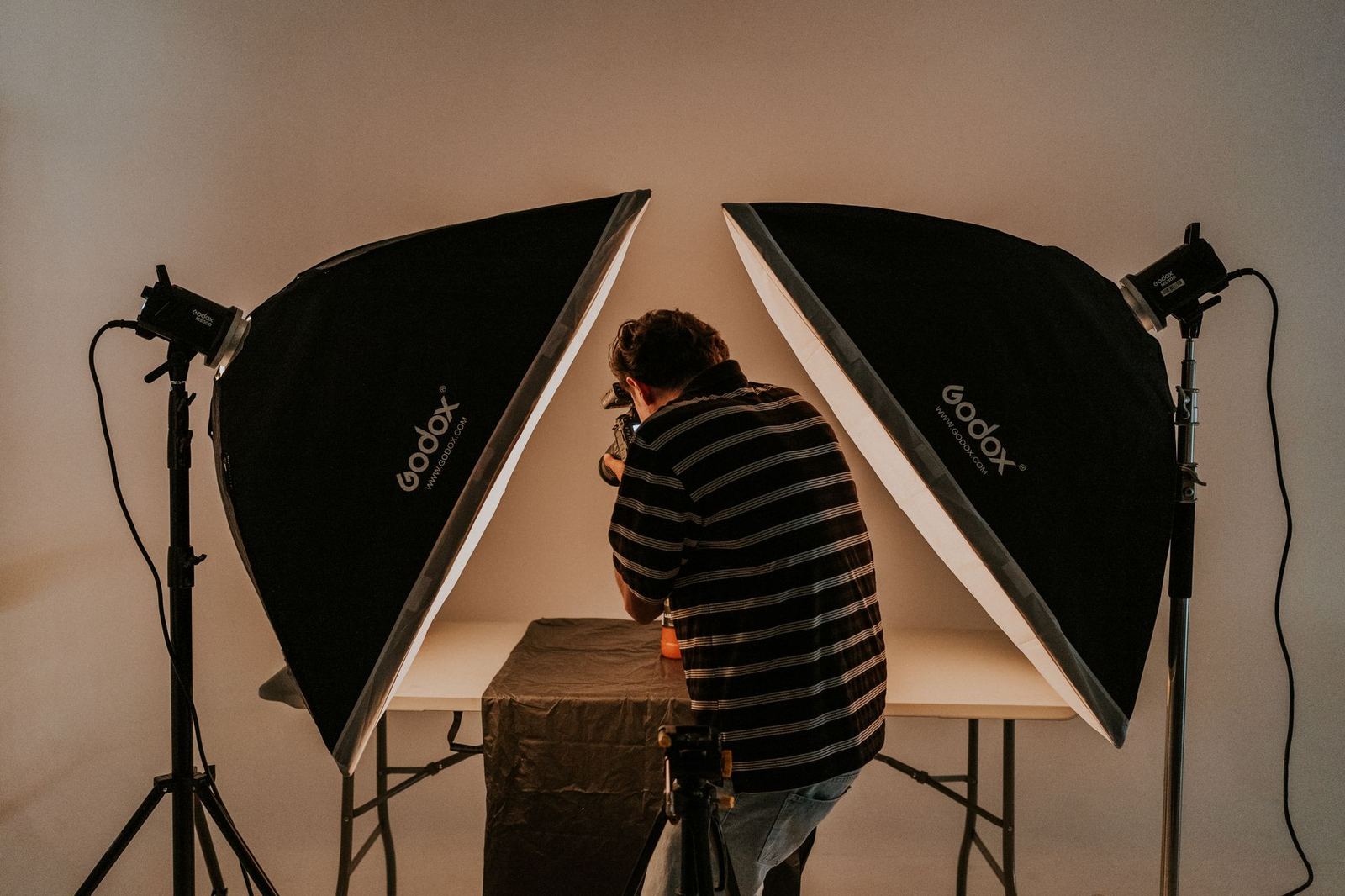
Light in Product Photography: Seven Tips for Flawless White-Background Shots
How to achieve the pure white background marketplaces demand through the right lighting setup and post-production steps.
Read More